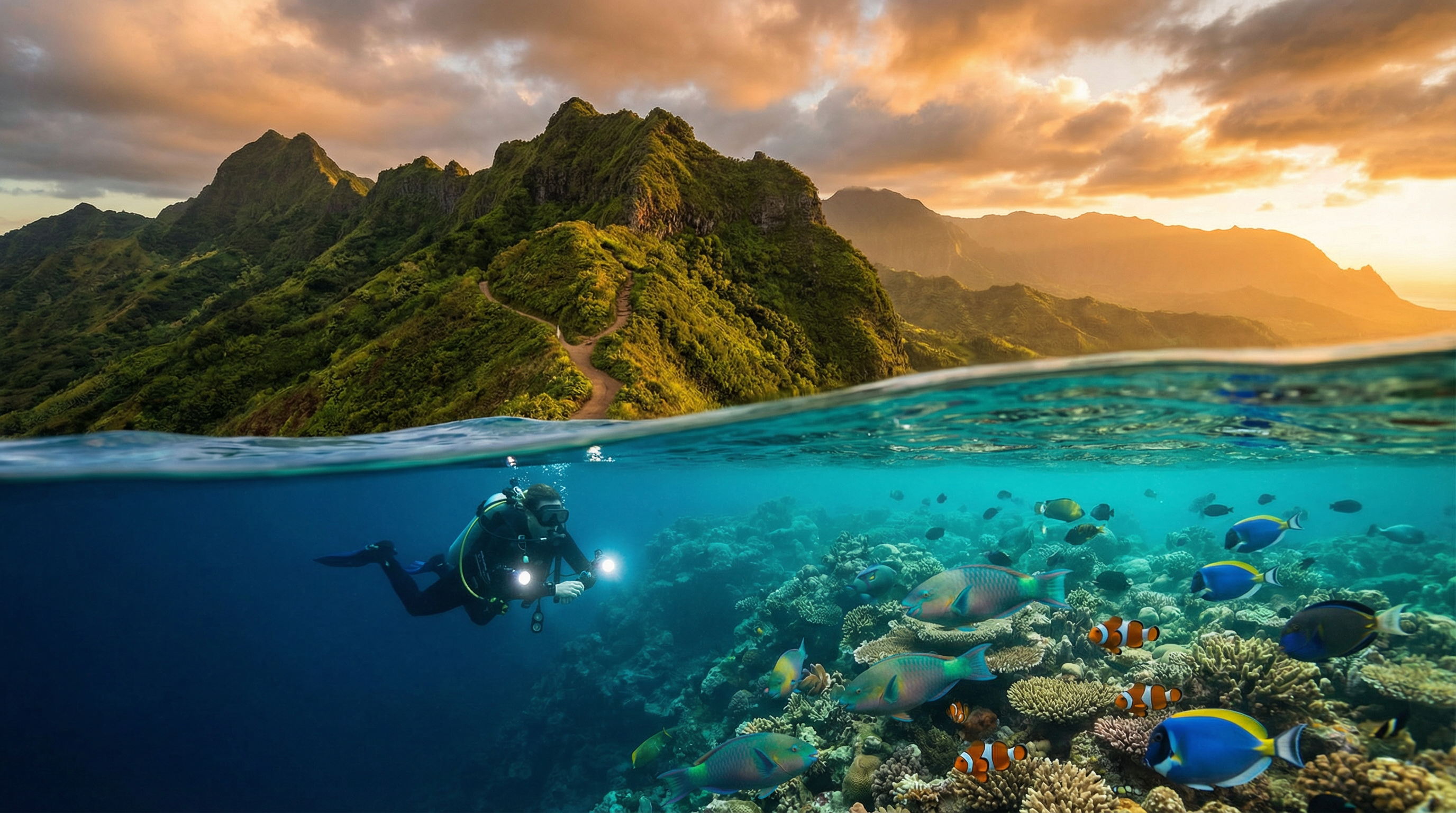
Ultimate Guide to Multi-Sport Adventure Travel
Multi-sport adventure travel represents the evolution of modern tourism, moving beyond single-activity vacations to create rich, diverse experiences that engage travelers on multiple levels. By combining scuba diving with hiking, kayaking, and other outdoor pursuits, adventurers can explore destinations from every angle—beneath the waves, across mountain peaks, and through lush forests. ## Why Choose Multi-Sport Adventures? The appeal of multi-sport travel lies in its variety and depth. Instead of spending an entire week doing just one activity, you experience a destination's full spectrum of natural wonders. Morning dives reveal vibrant coral reefs teeming with marine life, while afternoon hikes lead to panoramic mountain vistas. This diversity keeps every day fresh and exciting, preventing the monotony that can set in during single-focus trips. Multi-sport adventures also offer practical benefits. They're ideal for groups with varying interests—one person might prefer diving while another loves hiking, and multi-sport packages accommodate both. They also provide natural rest periods; after several days of diving, your body benefits from terrestrial activities that don't involve pressure changes and nitrogen absorption. ## Planning Your First Multi-Sport Adventure Successful multi-sport travel requires thoughtful planning. Start by assessing your fitness level and experience in each activity. Many destinations offer beginner-friendly options, but knowing your limitations helps you choose appropriate packages. If you're new to diving, look for destinations with calm, shallow dive sites. If hiking is new territory, seek trails with moderate elevation gain and well-maintained paths. Timing is crucial. Research the best seasons for your chosen destination, considering weather patterns, water visibility, and trail conditions. Costa Rica's dry season (December-April) offers excellent diving and hiking conditions, while Southeast Asian destinations like Thailand and Bali shine from November to April. ## Essential Gear Considerations Packing for multi-sport adventures challenges even experienced travelers. You need diving equipment, hiking boots, moisture-wicking clothing, and weather protection—all while keeping luggage manageable. Invest in versatile, quick-drying clothing that works for multiple activities. Consider renting bulky diving equipment at your destination to save luggage space for hiking gear. A quality backpack serves double duty for day hikes and carrying dive accessories. Waterproof bags protect electronics and documents during water activities. Don't forget sun protection—reef-safe sunscreen, rash guards, and wide-brimmed hats are essential for tropical destinations. ## Top Multi-Sport Destinations Worldwide Costa Rica consistently ranks as the premier multi-sport destination, offering Pacific and Caribbean diving, cloud forest hikes, volcano treks, and zip-lining adventures. The country's compact size allows you to experience diverse ecosystems within short travel distances. Hawaii combines dramatic volcanic landscapes with pristine underwater environments. Dive with manta rays off the Big Island's Kona coast, then hike through Volcanoes National Park. Explore Kauai's Na Pali Coast by kayak before tackling the challenging Kalalau Trail. Southeast Asia offers budget-friendly multi-sport adventures. Thailand's Similan Islands provide world-class diving, while Khao Sok National Park offers jungle trekking and limestone karst formations. Bali pairs diving in Tulamben and Nusa Penida with sunrise treks up Mount Batur and rice terrace hikes in Ubud. ## Safety Considerations Multi-sport travel demands attention to safety across different environments. For diving, maintain proper certification levels and never push beyond your training. Allow adequate surface intervals between dives, and avoid flying or ascending to high altitudes within 24 hours of diving to prevent decompression sickness. Hiking safety requires different considerations. Carry adequate water, know your route, inform someone of your plans, and turn back if weather deteriorates. In tropical environments, watch for wildlife, stay on marked trails, and protect against insect-borne diseases with appropriate repellents and vaccinations. ## Maximizing Your Experience To get the most from multi-sport adventures, pace yourself. Don't try to cram too many activities into each day. Quality experiences matter more than quantity. Allow rest days to recover, explore local culture, and simply enjoy your surroundings without a packed itinerary. Hire local guides when possible. They provide insider knowledge, enhance safety, and support local economies. Guides know the best dive sites, hidden trails, and optimal timing for wildlife encounters. Their expertise transforms good trips into extraordinary ones. ## Environmental Responsibility Multi-sport travelers have a responsibility to protect the environments they enjoy. Practice leave-no-trace principles on trails, never touch coral or marine life while diving, and choose operators committed to sustainable tourism. Support conservation efforts through responsible tour operators and eco-lodges. Reduce your environmental impact by minimizing single-use plastics, respecting wildlife viewing distances, and staying on designated paths. Your actions today help preserve these incredible destinations for future adventurers. ## Conclusion Multi-sport adventure travel offers unparalleled opportunities to experience destinations fully, combining the thrill of underwater exploration with the satisfaction of conquering mountain peaks. With proper planning, appropriate gear, and respect for both safety and environment, these adventures create memories that last a lifetime. Whether you're a seasoned adventurer or planning your first multi-sport trip, the world's oceans and mountains await your exploration.